Why One Agent Is Not Enough
Single-agent demos impress in the lab, but GCC enterprises run on cross-functional workflows: a customer complaint touches CRM, billing, knowledge bases, and escalation queues. Monolithic agents accumulate tools, context, and policies until they become slow, brittle, and impossible to audit. Orchestration splits work across specializts — each with scoped permissions and measurable outcomes.
The Orchestration Layer: Planner, Router, and Supervisor
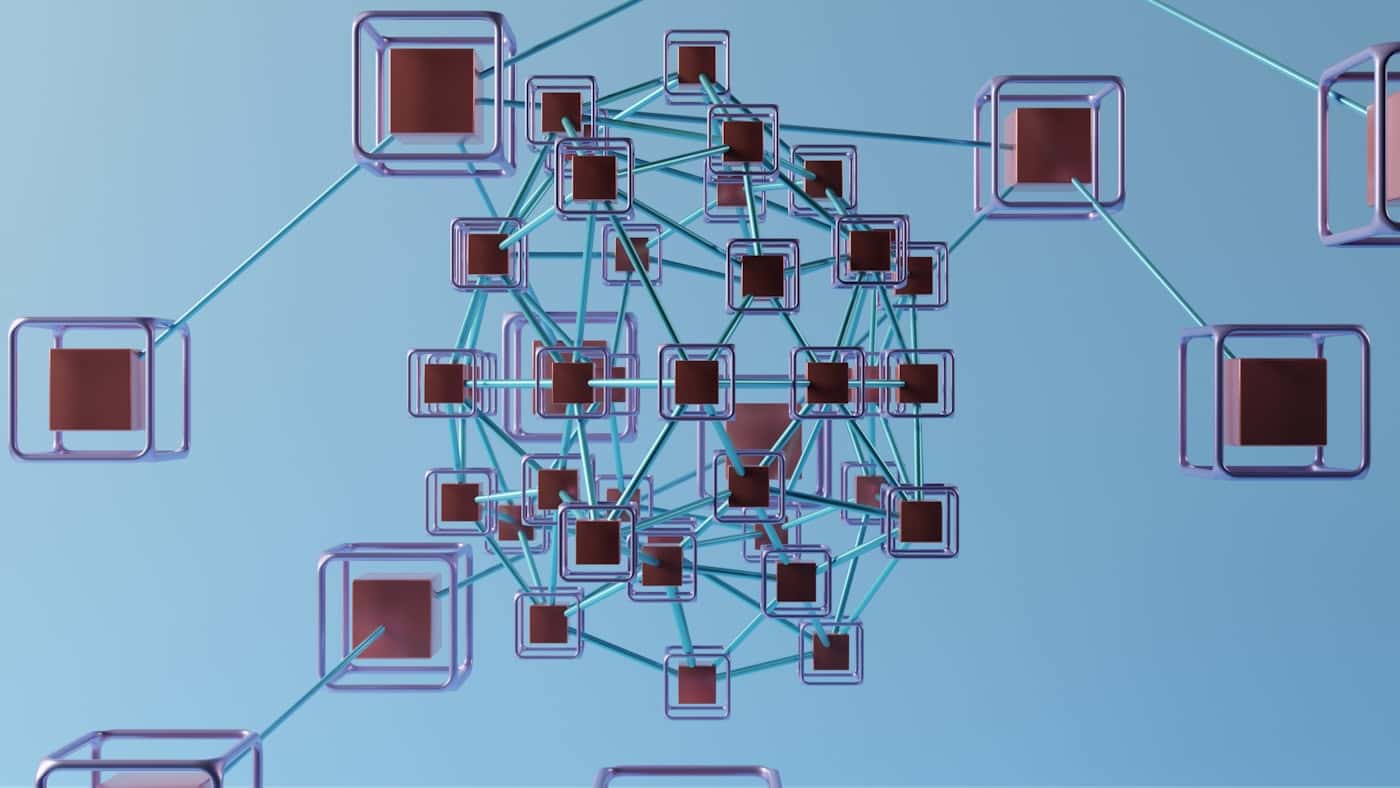
GoAI247's reference architecture places a supervisor above worker agents. The supervisor interprets the goal, selects which specializts to invoke, monitors intermediate results, and enforces stop conditions. This mirrors how human teams operate — with clear handoffs and accountability at each step.
- Router agent: classifies intent and routes to the right specializt workflow.
- Retrieval agent: fetches grounded context from RAG corpora with citation discipline.
- Action agent: executes scoped tool calls against CRM, ERP, or ticketing systems.
- Approval agent: holds high-impact steps until a human or policy gate clears them.
- Supervisor agent: orchestrates the full run, enforces budgets, and writes audit logs.
Patterns That Work in GCC Enterprises
The same orchestration patterns deliver across industries: tiered customer service with specializt agents per product line, procurement workflows that chain document extraction, supplier validation, and approval routing, and internal IT flows that separate triage, remediation, and closure agents.
Governance at the Orchestration Layer
Multi-agent systems multiply risk if every agent has broad tool access. Orchestration enforces least-privilege scopes per agent, shared audit logs across the full workflow, human-in-the-loop gates for high-impact steps, and cost and latency budgets so runaway agent loops cannot burn budget or stall customer journeys.
Observability: Tracing Multi-Agent Runs
Production orchestration requires end-to-end traces: which agent ran, which tools were called, what context was passed, and where latency or errors occurred. GoAI247 ships orchestration with structured tracing integrated into the same observability stack used for LLM gateways and RAG pipelines.
From Pilot to Platform
Teams that succeed start with one orchestrated workflow — often customer support or internal helpdesk — then reuse the supervisor pattern for new domains. The orchestration platform becomes shared infrastructure; each new agent is a configuration change, not a greenfield integration.
Key Takeaways
- Complex GCC workflows need multiple specialized agents — not one generalist bot.
- A supervisor layer plans, delegates, and enforces stop conditions across agents.
- Least-privilege tool scopes per agent are mandatory for auditable orchestration.
- End-to-end tracing is how you debug and govern multi-agent runs in production.
- Build the orchestration platform once — add new agents as reusable specializts.